Corrosion protection of bridges and transport infrastructure is a critical aspect of their construction and operation. Bridges are exposed to aggressive environmental factors — including humidity, temperature fluctuations, and de-icing agents — as well as high mechanical loads, making them particularly vulnerable to corrosion.
Corrosion protection for bridges involves a comprehensive system of measures aimed at preventing the deterioration of steel and concrete structures.
Our solutions are suitable for protecting:
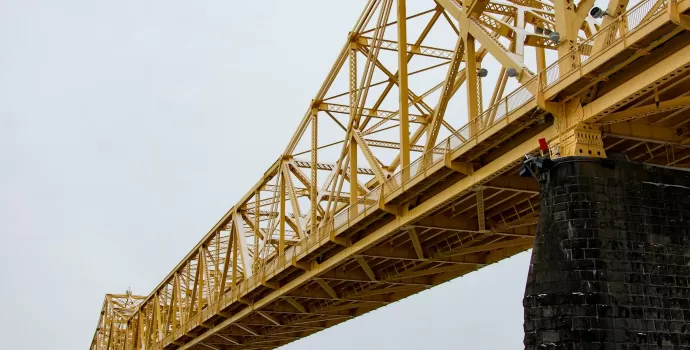
- Steel structures and concrete supports of bridges;
- Road overpasses, pedestrian bridges, ramps, and span structures;
- Elements of transport infrastructure made of galvanized and low-alloy steel;
- Structures requiring repair or restoration (existing steel and concrete constructions);
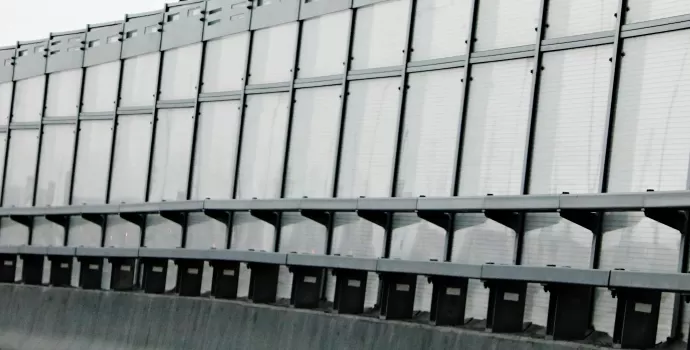
- Supports, railing systems, and protective barriers.
The coatings are designed for use in various corrosivity categories according to ISO 12944:
- C3 (medium) environments — moderate exposure typical for inland bridges;
- C4–C5 (high to very high) environments — coastal, high-humidity, or heavily trafficked areas;
- CX / immersion categories — extreme exposure, such as splash zones or structures in permanent contact with water.
Coatings can be applied year-round when application requirements are followed, ensuring long-term durability across all macroclimatic zones.
Standard Solutions
ARMOR Chemie® — Industrial and Protective Coatings That Truly Work
LLC “Art Industry Company” (Belarus) is the manufacturer of ARMOR Chemie® anti-corrosion coatings. We develop, produce, and implement advanced solutions for protecting metal structures and equipment from corrosion, as well as atmospheric and mechanical impacts. Our materials, created using cutting‑edge technologies and 30 years of expertise, ensure durability, reliability, and reduced maintenance costs.

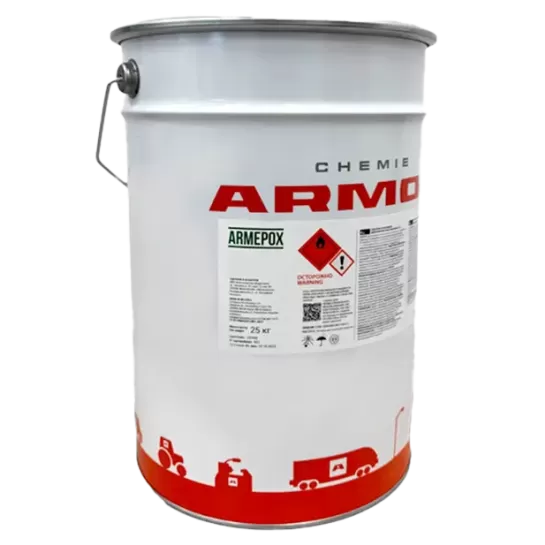

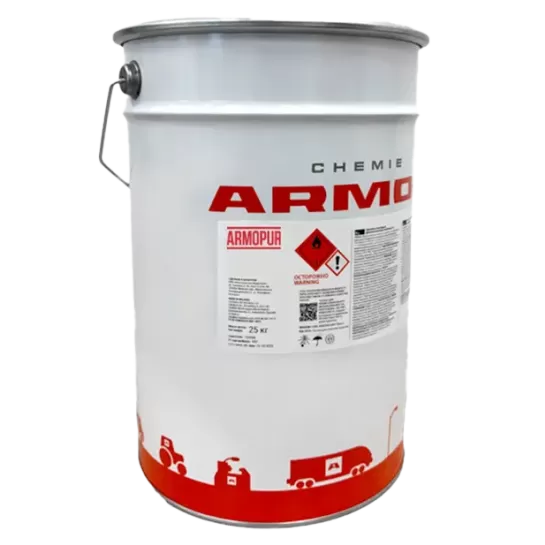


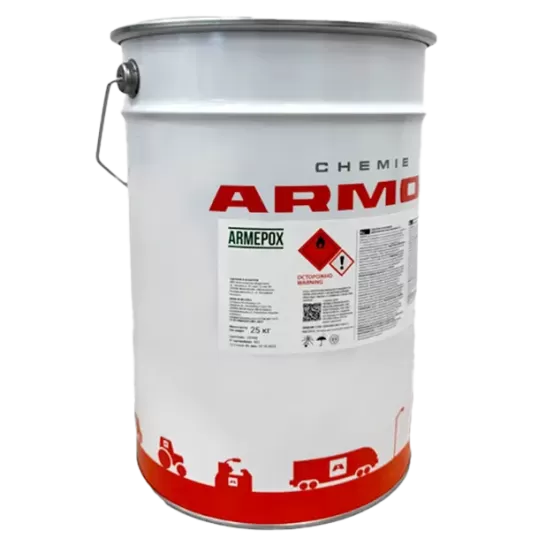
Our specialists can provide you with qualified assistance in selecting the right coating system
You can request a callback by clicking the button below, or contact us in one click by pressing the button of any convenient messenger on the panel to the right.
FAQ
Corrosion protection of bridges and transport infrastructure is a critical aspect of their construction and operation. Bridges are exposed to aggressive environmental factors — including humidity, temperature fluctuations, salt spray, UV radiation, and heavy mechanical loads — making steel structures and concrete supports particularly vulnerable to corrosion.
Effective protection requires a premium protective coating system, such as zinc rich primers, epoxy primers, epoxy intermediate coats, or polyurethane coatings, designed for atmospheric exposure (C4–C5 according to ISO 12944). These coatings provide heavy duty corrosion protection, metal surface protection, and long-term durability, while minimizing maintenance requirements.
Our solutions are suitable for protecting:
Steel structures and concrete supports of bridges;
Road overpasses, pedestrian bridges, ramps, and span structures;
Elements made of galvanized and low-alloy steel;
Structures requiring repair or refurbishment (maintenance coatings for existing steel and concrete structures);
Supports, railing systems, and protective barriers.
The coatings are engineered for single application high build, optimum film build, and long overcoating intervals, ensuring fast cure and high productivity coatings. They can be applied year-round when application requirements are followed, maintaining best in class performance in all macroclimatic zones.
They are tested and certified to ISO 12944, ensuring barrier protection, mechanical resistance, and gloss retention, providing a turnkey coating solution for bridge and transport infrastructure projects.
Answer: Coatings for bridge structures must be weather- and water-resistant, maintaining their protective and decorative properties under extreme temperature and humidity fluctuations. They should provide excellent adhesion to the substrate, UV resistance, and mechanical durability.
Additionally, these coatings are designed for long-term corrosion protection, with a service life of 20–30 years and minimal maintenance requirements. Preferred solutions include epoxy primers, zinc rich primers, epoxy intermediate coats, and polyurethane topcoats, forming a premium protective coating system that ensures barrier protection, optimum film build, and long overcoating intervals.
All materials are tested and certified to ISO 12944, making them suitable for bridge and infrastructure coatings in harsh environments.
Answer: Protection of steel surfaces is achieved using coating systems that include zinc-rich primers or epoxy primers, epoxy intermediate barrier coats, and weather-resistant polyurethane or acrylic topcoats.
This combination provides both galvanic (sacrificial) and barrier protection against corrosion, ensures mechanical durability, and maintains the long-term aesthetic appearance of the structures.
The system can be applied as a single application high build or multi-layer solution, offering long-term corrosion protection, optimum film build, and minimal maintenance requirements in line with ISO 12944 standards.
Answer: Concrete supports and pylons are protected using coatings and primers that reduce water absorption and increase the frost resistance of the concrete. Primers and topcoats prevent penetration of moisture and aggressive substances, protect the reinforcement from corrosion, and provide additional waterproofing to the structure.
These coatings also allow for color specification and enhance the aesthetic appearance of the structure. For reinforced concrete elements exposed to harsh environments, epoxy or polyurethane coatings can be used as part of a premium protective coating system, ensuring long-term durability, barrier protection, and compliance with ISO 12944 standards.
Answer: Friction connections are coated with special corrosion-resistant materials, such as zinc-rich primers, which provide the required friction coefficient while ensuring protection against corrosion.
For road barriers, abrasion- and chemical-resistant coatings are used, designed to withstand moisture, de-icing agents, and mechanical damage caused by traffic and road maintenance activities.
These coatings form part of a premium protective coating system, offering long-term corrosion protection, barrier protection, and minimal maintenance requirements, in line with ISO 12944 standards.
Corrosion protection (CP) — a set of measures and applied materials designed to prevent or slow down corrosion processes in transport infrastructure structures, ensuring their long-term durability and reliable operation.
Steel structures — elements of bridges, overpasses, elevated roadways, and road barriers exposed to moisture, salts, chemical agents, and mechanical loads.
Concrete and reinforced concrete structures — supports, pylons, and foundations of bridges, overpasses, and elevated roadways, protected with coatings and primers to reduce water absorption, increase frost resistance, and prevent reinforcement corrosion.
Friction connections — structural elements where parts rub or slide against each other, requiring special corrosion protection and maintenance of the specified friction coefficient.
Embedded parts and fasteners — anchor bolts, embedded elements, welded and bolted joints requiring protective coatings and regular inspection to ensure structural integrity.
Protective coatings — materials applied to the surface of structures to prevent corrosion, including epoxy, epoxy-phenolic, polyurethane, zinc-rich primers, solvent-based coatings, and powder coatings.
Surface preparation — cleaning and preparing structures before coating application to ensure adhesion and long-term durability of the protective layer.
Adhesion — the strength of the bond between a protective coating and the substrate material.
Coating thickness (DFT) — a parameter determining the effectiveness of protection and the service life of the coating.
Service life of the coating — the period during which a protective coating maintains its performance characteristics under specified conditions.
Barrier protection — a corrosion protection method in which a coating layer prevents moisture and aggressive substances from reaching the surface of the structure.
Cathodic protection — an electrochemical corrosion protection method in which the metal acts as a cathode in an electrical circuit, slowing down corrosion.
Comprehensive protection of transport infrastructure — a combination of methods and materials (protective coatings, engineering solutions, and preventive maintenance) that ensures the durability and reliability of bridges, overpasses, elevated roadways, and road barriers.