
ARMOR Chemie® anticorrosion coatings are engineered to provide long-term, high-performance protection for metallic structures and assemblies across the transportation sector. These systems are designed to withstand the most demanding environmental and operational conditions, including vibration, mechanical stresses, UV exposure, moisture, temperature fluctuations, and chemical contamination.
Our coatings deliver heavy-duty corrosion protection for a wide range of transport applications, including:
- Railway rolling stock – locomotives, passenger cars, freight wagons, and hopper cars
- Commercial and specialized vehicles – trucks, trailers, tankers, and service vehicles
- Agricultural and construction machinery – tractors, excavators, loaders, and earth-moving equipment
- Containers, tankers, and modular transport units
- Other transport-related assemblies and infrastructure
ARMOR Chemie® solutions are optimized for structural steel coatings, metal surface protection, and industrial transport environments where prolonged exposure to atmospheric conditions (ISO 12944 C4–C5), mechanical loads, and chemical agents can compromise durability. The coatings support barrier protection systems and enhance mechanical resistance, ensuring that critical components maintain structural integrity throughout their service life.
These systems are suitable for new construction, refurbishment, and maintenance applications, delivering long life corrosion protection, minimal maintenance requirements, and high productivity in industrial coating operations. Designed for use in harsh conditions, ARMOR Chemie® coatings ensure reliable performance, consistent aesthetic quality, and optimized film build across the most challenging transport engineering applications.
Standard Solutions
ARMOR Chemie® — Industrial and Protective Coatings That Truly Work
LLC “Art Industry Company” (Belarus) is the manufacturer of ARMOR Chemie® anti-corrosion coatings. We develop, produce, and implement advanced solutions for protecting metal structures and equipment from corrosion, as well as atmospheric and mechanical impacts. Our materials, created using cutting‑edge technologies and 30 years of expertise, ensure durability, reliability, and reduced maintenance costs.

Materials used
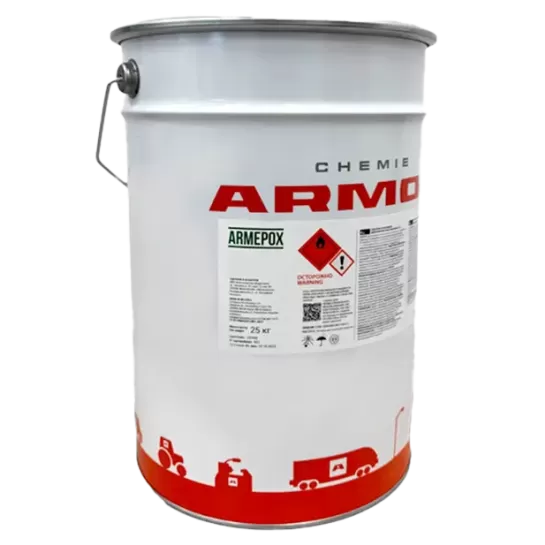

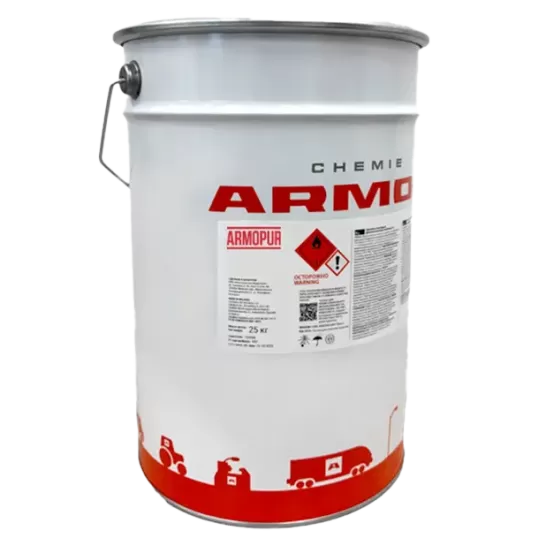
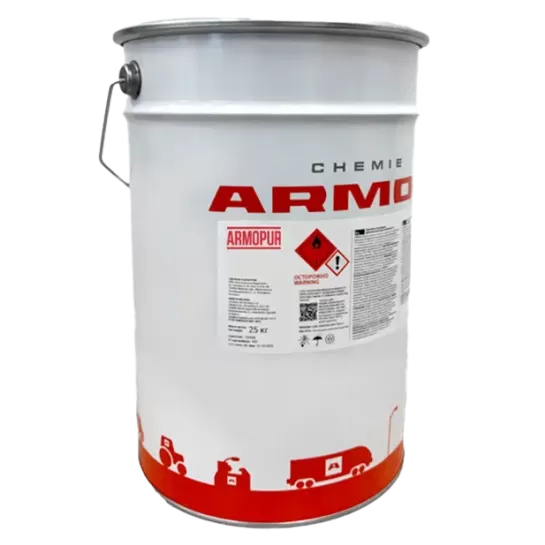
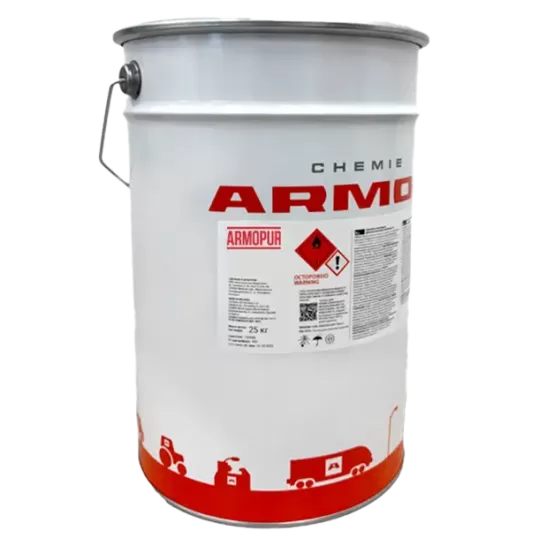
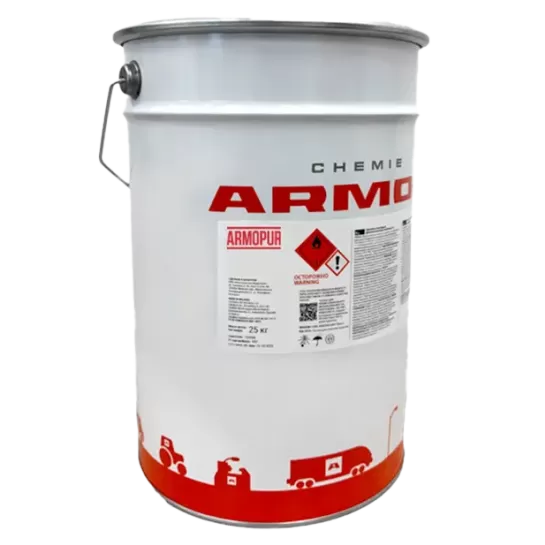


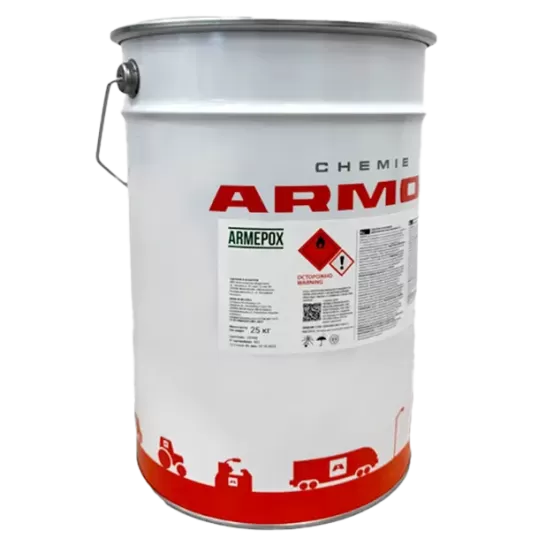
Our specialists can provide you with qualified assistance in selecting the right coating system
You can request a callback by clicking the button below, or contact us in one click by pressing the button of any convenient messenger on the panel to the right.
FAQ
Agricultural, construction, and earthmoving equipment (ACE) operates under extremely harsh conditions. Machines are exposed to abrasive materials, aggressive chemicals, extreme temperatures, and continuous heavy use. Agricultural machinery must withstand scorching sunlight, unpredictable rain, frequent operation, and contact with fertilizers and agrochemicals.
Corrosion protection is a top priority. When metal is exposed to water, rust and corrosion develop, leading to structural weakening and reduced service life. Coatings must comply with sector-specific corrosion resistance standards for ACE equipment, typically falling into ISO 12944 corrosion categories C4–C5, depending on the intended operating conditions.
Liquid coating systems are widely used, particularly two-component (2K) acrylic-polyurethane coatings, which provide exceptional corrosion protection, color retention, and long-lasting gloss. Liquid primers on solvent-based formulations and finish coatings range from fast-drying enamels to advanced 2K epoxy and acrylic-polyurethane systems.
Surface preparation is critical for ensuring adhesion, long-term performance, and full protection.
Color and aesthetics are also important for ACE equipment, where the color of machinery often represents the brand. Maintaining consistent color and finish through protective coatings is essential for brand recognition and market value.
Specialized components require additional attention:
Welded joints and heavy structural elements characteristic of construction machinery need coatings with high flexibility to prevent cracking.
Hydraulic components demand resistance to oils and hydraulic fluids.
Exhaust systems require heat-resistant coatings capable of withstanding 200–550°C.
These comprehensive requirements make coatings for ACE equipment one of the most technically demanding areas of industrial painting. Reliability of corrosion protection directly affects the performance, safety, and commercial effectiveness of the machinery.
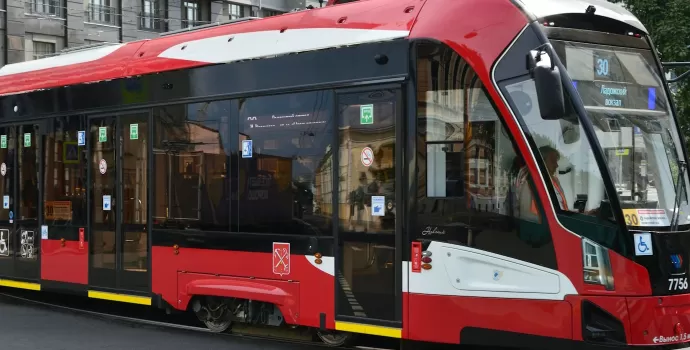
Coating passenger transport vehicles — including buses, trolleybuses, and trams — requires a careful balance of aesthetics, durability, and safety. Coatings must provide bright, uniform color and lasting gloss throughout the vehicle’s service life, which is crucial for city image and passenger perception.
At the same time, coatings must be resistant to mechanical damage, scratches, and chipping caused by frequent contact with objects, road debris, and urban conditions. Paint systems must also ensure long-term corrosion protection, maintaining color and gloss under exposure to UV radiation, rain, snow, and temperature fluctuations.
Interior coatings must meet fire safety standards, minimizing smoke generation and toxicity in case of ignition.
Additional functional requirements often include anti-graffiti and easy-clean properties, compatible with a variety of body materials, such as steel, aluminum, galvanized steel, and composite panels.
Production considerations are critical: coatings need fast curing and must be suitable for application under factory conditions, reducing production and maintenance time while ensuring consistent high-quality finishes.
In essence, passenger transport coatings combine long-term protective performance with aesthetic and operational requirements, making them a highly specialized and technically demanding sector of industrial coatings.
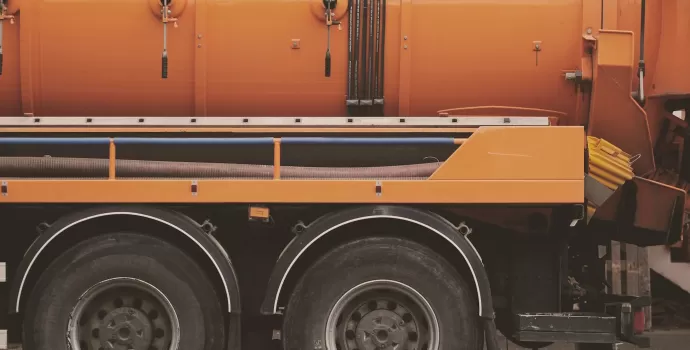
Coating commercial and heavy-duty vehicles focuses on ensuring long-term durability, mechanical resistance, and corrosion protection under diverse and often harsh operating conditions. Coatings are applied to chassis, trailers, dump trucks, refuse trucks, street sweepers, tankers, concrete mixers, and other specialized equipment.
Paint systems must maintain consistent color and gloss over the vehicle’s service life, providing high resistance to UV radiation, moisture, chemical exposure, and temperature fluctuations. Consistency in quality, color, and coating performance from batch to batch is essential, supporting corporate identity and maximizing residual value of the fleet.
Modern coating systems are designed to minimize volatile organic compound (VOC) emissions, reduce energy consumption, and optimize production processes, balancing cost-efficiency with high performance and productivity.
In summary, coatings for commercial and heavy-duty vehicles combine protective performance, aesthetic retention, and environmental compliance, meeting both operational demands and business requirements.
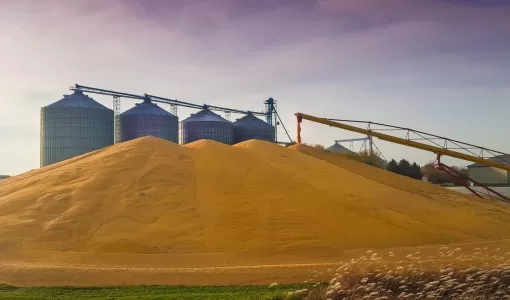
Coating hopper cars requires a focus on high wear resistance and corrosion protection, as these vehicles transport bulk materials such as grain, cement, fertilizers, and other abrasive substances.
Internal surfaces need abrasion-resistant and chemically durable coatings capable of withstanding constant friction, exposure to dust, moisture, and residual cargo. External surfaces are coated with systems designed for superior atmospheric corrosion resistance, UV stability, and temperature fluctuation tolerance, extending service life and maintaining visual quality.
Special attention is given to adhesion to steel, uniform application, and long-term color and gloss stability. These factors are critical for reliable performance, reduced maintenance, and preserving the corporate image of railway operators.
The coating requirements for passenger and freight rolling stock differ significantly in terms of purpose and operating conditions.
For passenger vehicles (metro cars, trains, trams, buses), the primary priorities are aesthetics, gloss, color uniformity, resistance to fading, graffiti, and chemical cleaning. Coatings must also meet safety requirements for urban operation and tunnels, including fire resistance and low smoke/toxicity standards. Ease of maintenance and visual appeal are crucial.
For freight rolling stock (hopper cars, tankers, flatcars), the focus is on durability, corrosion resistance, mechanical wear protection, and resistance to the aggressive nature of cargo. High-performance epoxy and epoxy-polyurethane systems are typically used, capable of withstanding temperature fluctuations, moisture, salt, dust, and continuous friction.
In short, passenger coatings prioritize appearance and ease of maintenance, while freight coatings prioritize protection, durability, and minimization of maintenance costs over long-term operation.