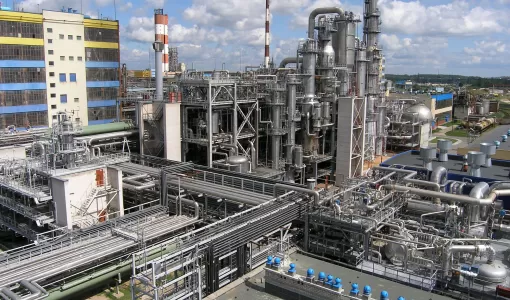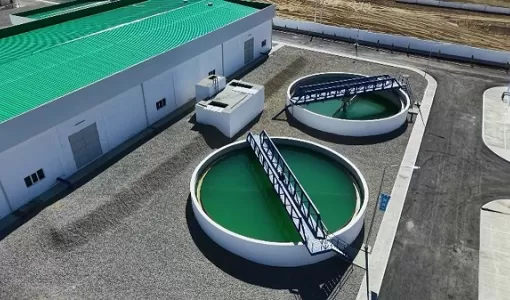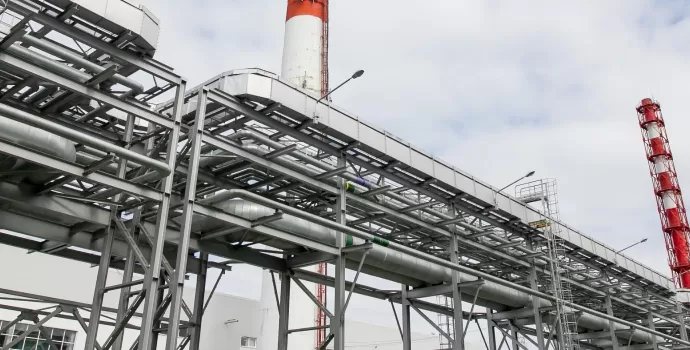

Steel structures and equipment in the energy sector are exposed to significant corrosive stress and require highly reliable protection solutions. We understand the specifics of the energy industry: our coating systems are designed to meet the requirements and expectations of power plant operators. Whether your facility uses coal, gas, or fuel oil, we provide heavy duty corrosion protection coatings for every component of your power plant.
The characteristics of our coatings ensure long-term corrosion protection across all corrosivity categories (C2–C5, ISO 12944-2/5). Coatings are highly weather-resistant, fast-drying, and optimized for application in operating production environments.
Our solutions are suitable for protecting:
- Steel and concrete structures of energy facilities, elevated walkways, galleries, pipe supports, and frameworks of boiler and turbine halls;
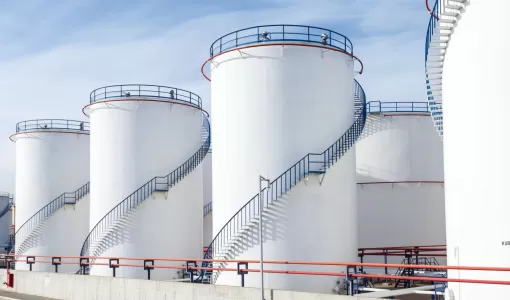
- Fuel oil tanks, demineralized water tanks, and diesel storage tanks;
- Heat exchangers and pipelines carrying hot water and steam;
- Equipment operating under high temperatures and cyclic loads, including turbines, generators, pumps, and compressors;
- External surfaces of circulating water channels and pipelines with hot water and steam;
- Steel piles, sheet piles, and supporting structures of energy facilities.
The coatings are designed for use in various environmental conditions, including:
- Temperate continental climate (moderate temperature and humidity);
- Cold continental climate (low temperatures, seasonal snow/ice exposure);
- Marine or coastal climate (salt-laden atmosphere, high humidity).
They can be applied year-round when application requirements are followed.
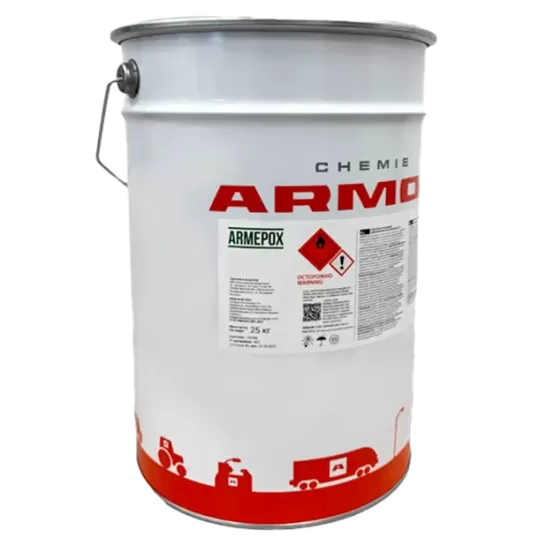
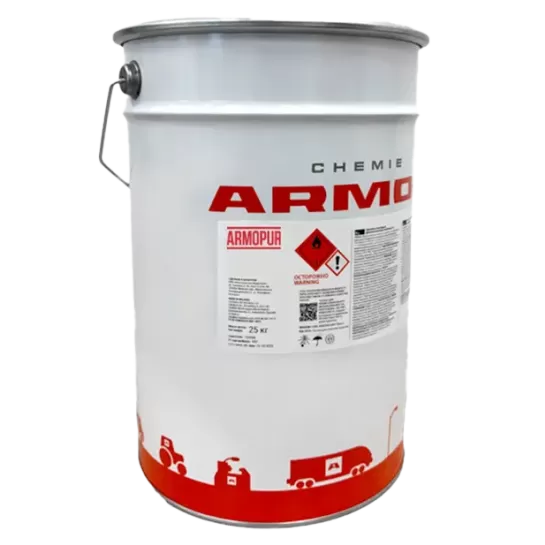
We offer a premium protective coating system, including zinc-rich primers, epoxy primers, epoxy intermediate coats, and polyurethane topcoats, providing barrier protection, optimum film build, long overcoating intervals, and minimal maintenance, fully certified to ISO 12944.
Standard Solutions
ARMOR Chemie® — Industrial and Protective Coatings That Truly Work
LLC “Art Industry Company” (Belarus) is the manufacturer of ARMOR Chemie® anti-corrosion coatings. We develop, produce, and implement advanced solutions for protecting metal structures and equipment from corrosion, as well as atmospheric and mechanical impacts. Our materials, created using cutting‑edge technologies and 30 years of expertise, ensure durability, reliability, and reduced maintenance costs.


Our specialists can provide you with qualified assistance in selecting the right coating system
You can request a callback by clicking the button below, or contact us in one click by pressing the button of any convenient messenger on the panel to the right.
FAQ
Answer: Steel and concrete structures, as well as equipment in energy facilities, are exposed to intense corrosive conditions caused by high humidity, aggressive chemical environments, and temperature fluctuations.
Reliable corrosion protection helps to:
Extend the service life of equipment and structures;
Enhance operational safety;
Reduce the risk of failures and unplanned downtime.
Applying premium protective coating systems, including zinc-rich primers, epoxy primers, epoxy intermediate coats, and polyurethane topcoats, ensures long-term corrosion protection, barrier protection, and compliance with ISO 12944 corrosivity categories C2–C5.
Answer:
Coatings are applied to energy generation facilities (thermal power plants, combined heat and power plants, hydroelectric power plants, nuclear power plants), electricity transmission and distribution systems (power lines, substation portals), pipelines and tanks of heating networks, as well as metal piles and equipment both indoors and outdoors.
Answer: Steel and concrete structures at thermal, hydro, and nuclear power plants (TPS, HPP, NPP) are exposed to moisture, aggressive technical environments, temperature fluctuations, and UV radiation.
Without reliable corrosion protection, these structures deteriorate faster, increasing the risk of failures, unplanned downtime, and maintenance costs.
Answer: For power line poles and substation gantries, zinc-rich primers and zinc-rich topcoats are used to provide long-term protection against atmospheric corrosion.
These protective coatings can be applied year-round, are fast-drying, and withstand mechanical stress, helping to extend the service life of transmission lines and electrical infrastructure.
The coatings are designed for long-term corrosion protection in ISO 12944 corrosivity categories C2–C5, offering barrier and cathodic protection, optimum film build, and minimal maintenance.
Answer: For pipelines and external surfaces of accumulator tanks, epoxy primers and topcoats are used. They are corrosion-resistant, highly application-friendly, and provide long-term durability of heating systems.
Hydropower Facilities — Dams, turbines, penstocks, and other hydraulic structures where anticorrosion and waterproofing coatings protect steel and concrete elements from water-induced deterioration, erosion, and corrosion.
Thermal Power Plants — Plants using coal, gas, or oil to generate electricity, where coatings are applied to pipes, tanks, boilers, heat exchangers, and other equipment to withstand high temperatures, humidity, and aggressive gases.
Combined Heat and Power Plants (CHP) — Facilities producing both electricity and heat, where protective coatings are essential for district heating networks, cooling towers, hot water tanks, and water treatment systems. Coatings must resist thermal cycling, moisture, and chemical attack.
Transformer Substations (Packaged or Outdoor) — Modular or open substations, where metal enclosures, support frames, and equipment housings require corrosion-resistant coatings to protect against rain, UV exposure, and atmospheric contaminants.
Power Transmission Structures — Steel poles, lattice towers, and gantries supporting high-voltage lines, protected with zinc-rich primers, epoxy systems, and polyurethane topcoats for long-term atmospheric corrosion protection.
Corrosion Protection of Structures — A comprehensive approach combining coating systems, surface preparation, and maintenance practices to prevent deterioration of steel and concrete from moisture, salts, chemicals, and high temperatures. Particularly critical for cooling towers, pumping stations, pipelines, and open-air facilities.
Pipeline Protection — Application of epoxy, polyurethane, or bitumen-polymer coatings to internal and external surfaces of pipelines to prevent corrosion, chemical attack, and temperature-related stress. Applicable to steel, galvanized, or polymer pipes, for both underground and aboveground installations.
Tank and Reservoir Coatings — Paint and polymer-based coatings applied to metal and concrete tanks storing water, fuels, or chemicals, providing moisture resistance, chemical resistance, and temperature durability.
Water Treatment and Hot Water Systems — Tanks and equipment in water preparation and storage areas require chemically resistant and moisture-resistant coatings, including heat-tolerant epoxy systems, to ensure long-term durability under steam and temperature fluctuations.
Key Coating Properties — Coatings for the energy sector must provide:
Long-term corrosion protection (ISO 12944 C2–C5)
Barrier and galvanic protection
High adhesion and elasticity under thermal cycling
UV and weathering resistance for outdoor structures
Compatibility with steel, concrete, and other substrates