Steel structures and equipment in the agro-industrial sector — including farm buildings, poultry and pig houses, grain storage facilities, silos, and transport systems — operate under conditions of high corrosive activity: they are exposed to aggressive humid environments, condensate, ammonia, chemical fertilizers, cleaning and disinfecting agents, as well as temperature fluctuations and mechanical stresses.
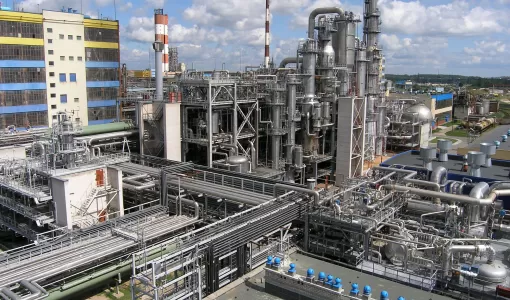
In food industry facilities — including sugar, meat, and dairy production — strict requirements are imposed on materials and equipment that come into contact with food. These requirements ensure the safety and quality of products, protect consumer health, and prevent contamination.
Our solutions are suitable for protecting:
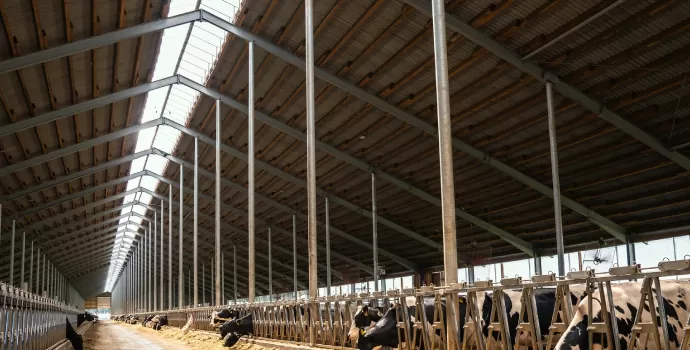
- Steel and concrete structures of farm buildings, livestock barn frameworks, and poultry houses;
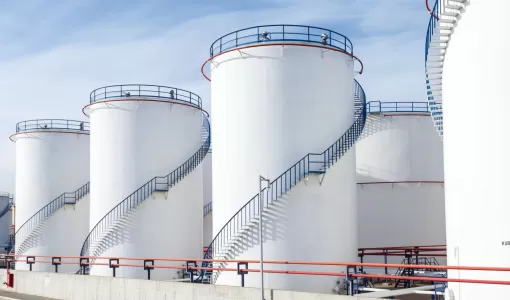
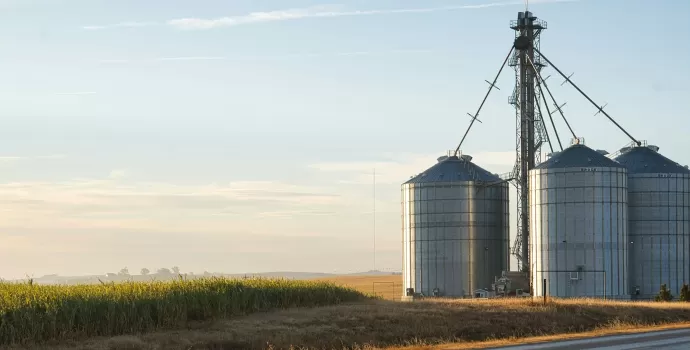
- Grain storage facilities, silos, elevators, and transport lines for storing and processing agricultural products;
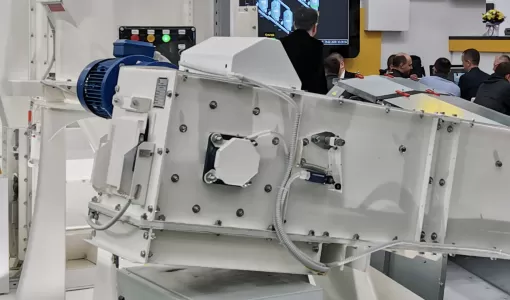
- Process equipment, including feed dispensers, ventilation systems, and pumping equipment;
- Fences, staircases, ramps, and platforms exposed to moisture and chemical reagents.
The coatings are designed for use in various corrosivity categories according to ISO 12944:
- C3 (medium) environments — moderately corrosive, typical of inland agricultural and industrial buildings;
- C4–C5 (high to very high) environments — coastal or high-humidity agricultural environments, including areas with exposure to ammonia or chemical fertilizers;
- CX / immersion categories — extreme exposure such as submerged or permanently wet areas.
Coatings can be applied year-round when application requirements are followed, ensuring long-term durability across all macroclimatic zones.
Standard Solutions
ARMOR Chemie® — Industrial and Protective Coatings That Truly Work
LLC “Art Industry Company” (Belarus) is the manufacturer of ARMOR Chemie® anti-corrosion coatings. We develop, produce, and implement advanced solutions for protecting metal structures and equipment from corrosion, as well as atmospheric and mechanical impacts. Our materials, created using cutting‑edge technologies and 30 years of expertise, ensure durability, reliability, and reduced maintenance costs.

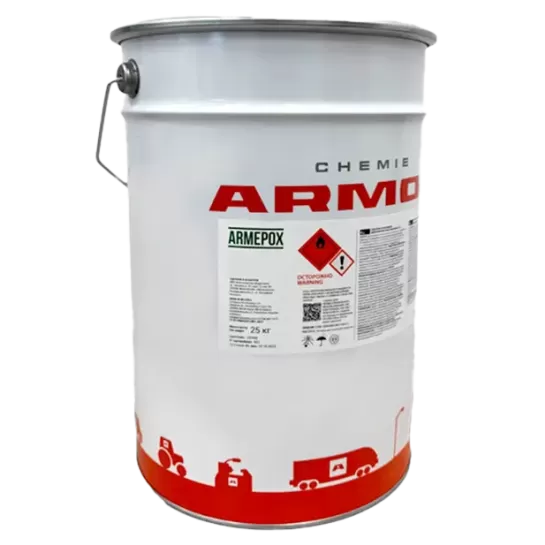
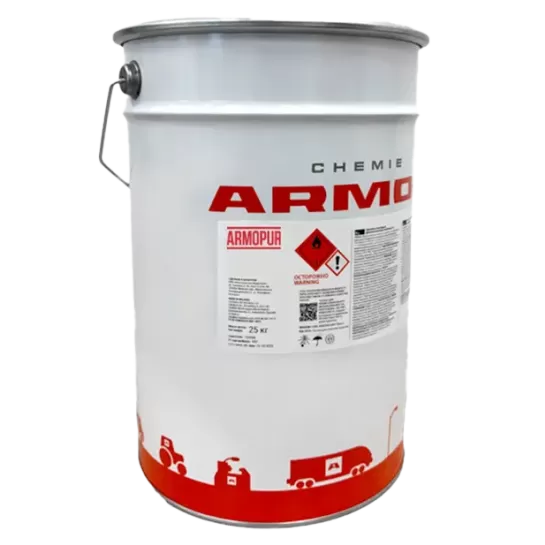

Our specialists can provide you with qualified assistance in selecting the right coating system
You can request a callback by clicking the button below, or contact us in one click by pressing the button of any convenient messenger on the panel to the right.
FAQ
Answer: Inside poultry houses, pigsties, and cattle barns, aggressive gases (primarily ammonia), high humidity, manure decomposition products, and aerosols containing salts and organic acids accelerate corrosion processes compared to “dry” environments. Penetration of ammonia and H₂S is particularly harmful to steel structures and zinc-coated surfaces under high humidity.
These conditions make the use of heavy duty corrosion protection coatings essential to ensure long-term durability of structural steel and equipment in livestock facilities.
Answer: The most vulnerable components include steel frameworks, connections, and fasteners (such as pipes, brackets, and beams), as well as metal roofs and cladding, doors, and frames. Concrete floors and surfaces that come into contact with manure, moisture, and cleaning solutions are also highly susceptible to corrosion and wear.
Additionally, process equipment — including feed dispensers, ventilation systems, conveyors, and guiding rails — as well as external fencing, staircases, ramps, and platforms are exposed to abrasive particles, high humidity, and chemical agents.
Due to these aggressive conditions, it is essential to apply heavy duty corrosion protection coatings and chemical resistant coatings, ensuring long-term durability and maintaining both protective and decorative properties. Regular maintenance and appropriate coating selection based on surface preparation, overcoating intervals, and dry film thickness (DFT) further enhance the longevity of these structures and equipment.
Answer: Silos and storage tanks for grain and feed operate under conditions of high humidity, gas emissions, and temperature fluctuations. Inside these structures, ammonia and carbon dioxide vapors are generated, which accelerate corrosion of steel structures and can damage the protective layer.
Therefore, these facilities require chemically resistant, multi-layer coating systems — typically based on epoxy or polyurethane binders — providing long-term protection against moisture, condensate, and biological factors. These coatings ensure both barrier protection and durability of structural steel, maintaining operational reliability and minimizing maintenance costs.
Answer: For structural elements and equipment inside livestock buildings, chemically resistant epoxy and polyurethane coating systems are commonly used, providing durability against ammonia, high humidity, and frequent cleaning.
For floors, thick-layer epoxy, polyurethane, or polymer flooring systems with high abrasion resistance are recommended.
In particularly aggressive zones, special chemically resistant coatings and zinc-containing solutions can be applied to specific components to protect against contact corrosion.
These solutions ensure long-term corrosion protection, maintain structural integrity, and reduce maintenance needs in challenging agricultural environments.
Answer: To protect steel frameworks, roofs, and internal structures of livestock buildings, corrosion protection systems based on epoxy and polyurethane resins are commonly used. These coatings are resistant to ammonia, hydrogen sulfide, acidic and alkaline vapors, as well as frequent cleaning and disinfection.
Such coatings prevent rust formation, extend the service life of steel structures, and help maintain cleanliness and appearance even under intensive operational conditions.
Answer: In greenhouses and storage facilities, humidity levels are often high and temperatures fluctuate widely. An effective protection measure is the use of corrosion protection systems with excellent adhesion and elasticity, such as two-component epoxy and polyurethane coatings.
These coatings form a dense, moisture-proof film, preventing steel corrosion even in areas prone to condensation or microcracks, ensuring long-term durability of the structures.
Answer: Equipment in the food and feed industry is exposed to acids, alkalis, moisture, and residues of organic materials. Therefore, chemically resistant coating systems — such as epoxy or epoxy-phenolic coatings — are used, which withstand regular cleaning and exposure to hot steam.
These coatings protect metal surfaces from corrosion and help ensure compliance with sanitary and hygiene standards in production facilities, maintaining both safety and operational reliability.
Answer: Exterior structures require protection against atmospheric corrosion, UV radiation, and precipitation. Therefore, acrylic-polyurethane coating systems are preferred for their weather resistance and color retention.
Interior structures, on the other hand, require chemical and moisture resistance as they are exposed to ammonia and organic vapors. For these areas, epoxy coatings with enhanced adhesion to steel and concrete are recommended.
Combining these coating systems provides comprehensive corrosion protection for the entire building, ensuring both durability and operational safety.