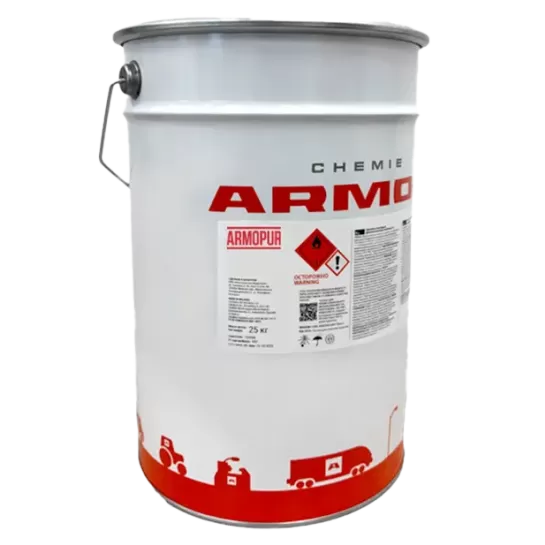
Corrosion‑protective primer‑finish coating, two‑component, glossy, acrylic‑polyurethane, weather‑resistant.
acrylic polyurethaneтолстослойное нанесениеColor‑matched to RAL, NCS, and sample
Corrosion‑protective primer‑finish coating, two‑component, glossy, acrylic‑polyurethane, weather‑resistant.
There are 3 main mechanisms of corrosion protection:
To select a coating system, several important points should be clarified:
1. Conditions of corrosive activity of the environment in which the product or metal structure will be used.
2. Required service life of the coating
3. Surface condition and its type
4. Conditions under which painting will be carried out
Based on this data, select a coating, or seek consultation.
The cost will be directly linked to material consumption. Material consumption, in turn, is directly linked to its dry residue. This is a critically important parameter that directly influences the price per square meter.
The dry residue indicates what portion of the liquid material remains on the surface after solvent evaporation and drying.
Coating with a high dry residue (70-80%): Contains little solvent. To achieve a finished film thickness of 100 µm, a smaller amount of liquid material is required.
Coating with a low dry residue (30-40%): Contains a lot of solvent. To achieve the same 100 µm thickness, twice as much liquid material is needed, as half of the volume simply evaporates.