Switch Language

Anti‑corrosion coatings

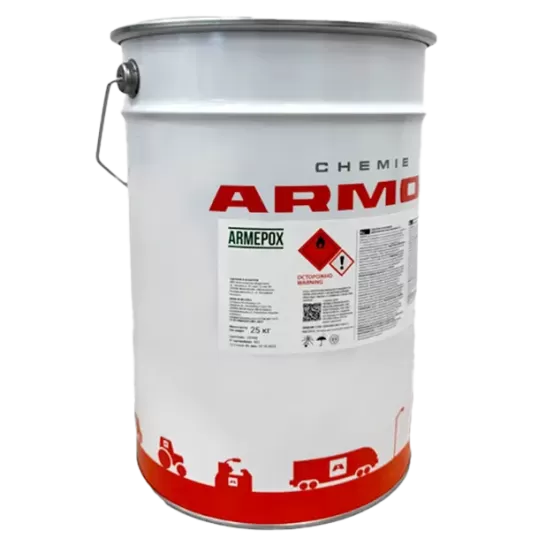
Two‑component epoxy putty with aluminum pigment, forming a protective coating in the color “Aluminum Grey”. It can be applied to partially prepared surfaces and exhibits high tolerance to insufficient surface preparation (remaining rust and old coatings). It is used for repair painting and in conditions where high‑quality surface preparation cannot be ensured. The aluminum pigment enhances the coating’s barrier properties and provides additional protection against moisture and corrosion.

epoxysurface tolerantaluminum gray

Two‑component matte acrylic‑polyurethane DTM coating provides durable anticorrosion and weather‑resistant protection of metal surfaces and chassis of commercial vehicles.

acrylic‑polyurethanethick‑coat applicationColor matched to RAL, NCS and sample

Two‑component acrylic‑polyurethane anticorrosion primer‑finish coating, weather‑resistant, glossy.
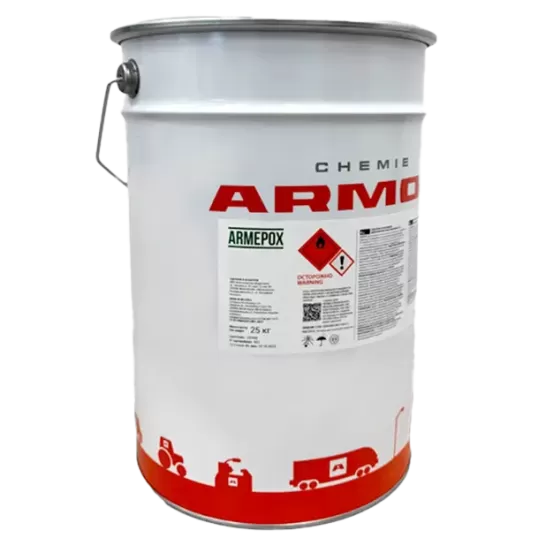
acrylic‑polyurethanehigh‑build applicationColored according to RAL, NCS, and sample.

Two‑component epoxy primer‑finish coating with a non‑volatile solids content of 76 % and zinc phosphate, providing excellent anticorrosion protection. Fast curing, ideal for high‑productivity application in shop environments at temperatures down to −10 °C.

epoxyfast dryinglight gray red‑brown

Two‑component epoxy anticorrosion colorable coating DTM with a volume fraction of non‑volatile substances of 70 %.
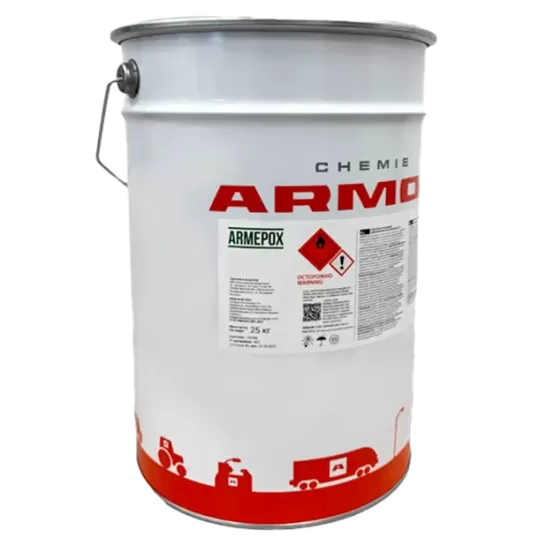
epoxyfast drying

Two‑component epoxy anticorrosion colorable coating DTM with a non‑volatile content of 70 %.
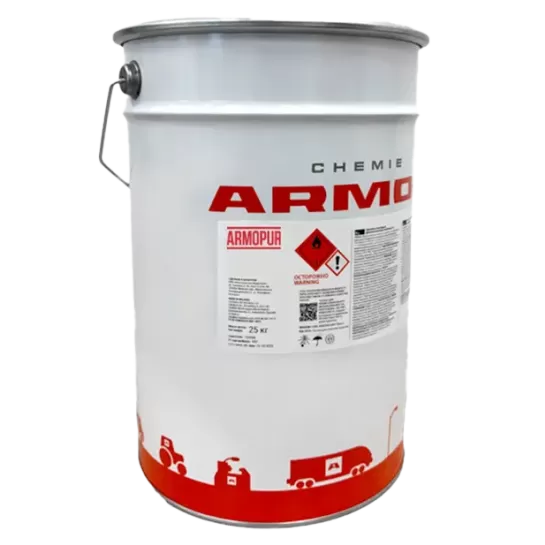
epoxyfast drying

Corrosion‑protective primer‑finish coating, two‑component, glossy, acrylic‑polyurethane, weather‑resistant.
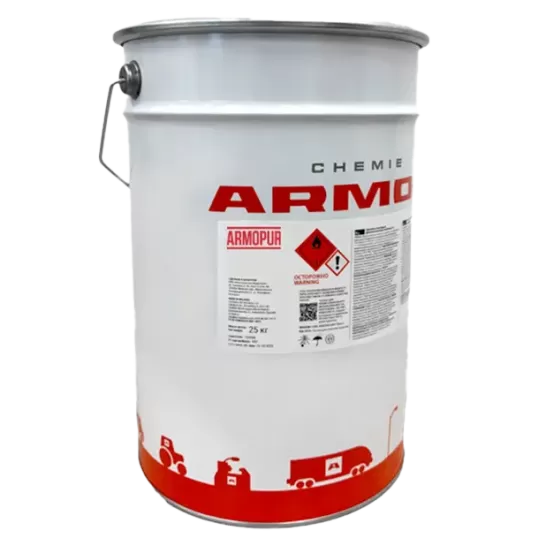
acrylic polyurethaneтолстослойное нанесениеColor‑matched to RAL, NCS, and sample

Two‑component acrylic‑polyurethane high‑gloss lightfast enamel for coating equipment and metal structures with a bright decorative effect.

acrylic‑polyurethanehigh weather resistanceColor‑matched to RAL, NCS and the sample

Corrosion‑resistant primer‑finish coating, two‑component, semi‑gloss acrylic‑polyurethane, weather‑resistant.

acrylic‑polyurethanethick‑coat applicationColored according to RAL, NCS and sample

Two‑component epoxy putty that permits painting on incompletely prepared surfaces. It is used for repair painting and in conditions where high‑quality surface preparation cannot be ensured.

epoxysurface tolerantlight gray red‑brown
Total 1 - 10 из 10

FAQ

There are 3 main mechanisms of corrosion protection:

  • Barrier protection: creation of a physical, impermeable layer that isolates the metal from moisture and oxygen.
  • Inhibition: corrosion inhibitors can be included in the coating composition—active chemical substances that slow down or stop the rusting process.
  • Protective or cathodic: some metallic coatings (e.g., galvanizing) act as a “sacrificial anode,” corroding first and protecting the base metal until they are completely consumed. 

To select a coating system, several important points should be clarified:
1. Conditions of corrosive activity of the environment in which the product or metal structure will be used.
2. Required service life of the coating
3. Surface condition and its type
4. Conditions under which painting will be carried out
Based on this data, select a coating, or seek consultation.

The cost will be directly linked to material consumption. Material consumption, in turn, is directly linked to its dry residue. This is a critically important parameter that directly influences the price per square meter.
The dry residue indicates what portion of the liquid material remains on the surface after solvent evaporation and drying.
Coating with a high dry residue (70-80%): Contains little solvent. To achieve a finished film thickness of 100 µm, a smaller amount of liquid material is required.
Coating with a low dry residue (30-40%): Contains a lot of solvent. To achieve the same 100 µm thickness, twice as much liquid material is needed, as half of the volume simply evaporates.