Switch Language

ARMEPOX

ARMEPOX® is a range of two-component industrial and protective epoxy coatings designed for long-term anticorrosion protection of metal structures and equipment. The ARMEPOX® range includes industrial primers, low-VOC high-build protective primers, direct-to-metal topcoats, and mastic surface-tolerant coatings. Thanks to a wide variety of formulations—from standard epoxy primers to phenolic/novolac-modified epoxies and glass-flake reinforced compositions—ARMEPOX® systems address a broad spectrum of requirements, suitable for everything from atmospheric protection of bridges and steel frameworks to demanding applications in chemically aggressive environments and storage tanks.

Two‑component epoxy primer‑finish coating with abrasion resistance, reinforced with glass flakes.
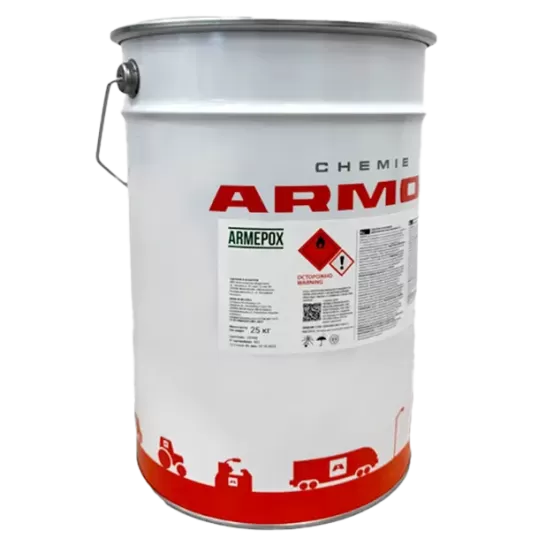
epoxyabrasion resistancecolored (limited)

Two‑component epoxy primer‑finish coating with abrasion resistance, reinforced with glass flakes.

epoxyabrasion resistancecolored (limited)

Two‑component epoxy putty with aluminum pigment, forming a protective coating in the color “Aluminum Grey”. It can be applied to partially prepared surfaces and exhibits high tolerance to insufficient surface preparation (remaining rust and old coatings). It is used for repair painting and in conditions where high‑quality surface preparation cannot be ensured. The aluminum pigment enhances the coating’s barrier properties and provides additional protection against moisture and corrosion.
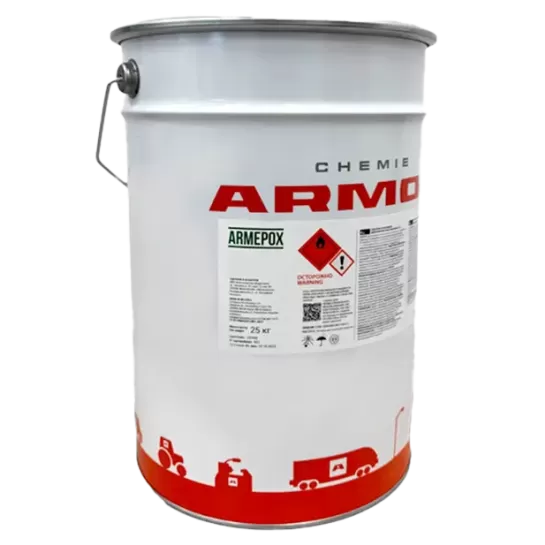
epoxysurface tolerantaluminum gray

Two‑component epoxy anticorrosion primer‑finish coating for industrial use, ideally suited as a base for two‑component acrylic‑polyurethane enamels for long‑lasting protection.
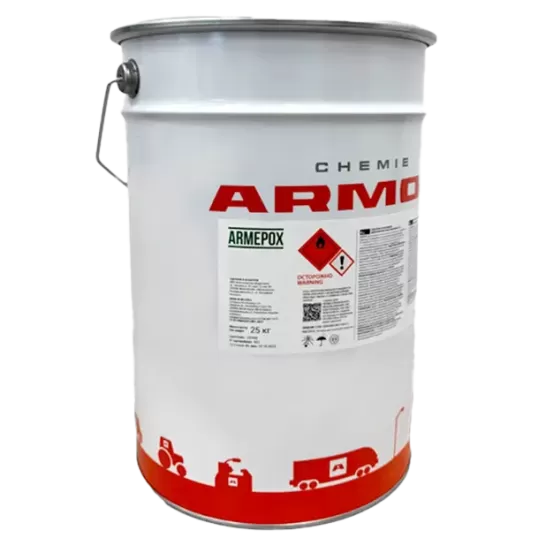
epoxyfast overcoatlight gray beige

Two‑component epoxy primer‑finish coating with a non‑volatile solids content of 76 % and zinc phosphate, providing excellent anticorrosion protection. Fast curing, ideal for high‑productivity application in shop environments at temperatures down to −10 °C.

epoxyfast dryinglight gray red‑brown

Two‑component epoxy anticorrosion colorable coating DTM with a volume fraction of non‑volatile substances of 70 %.
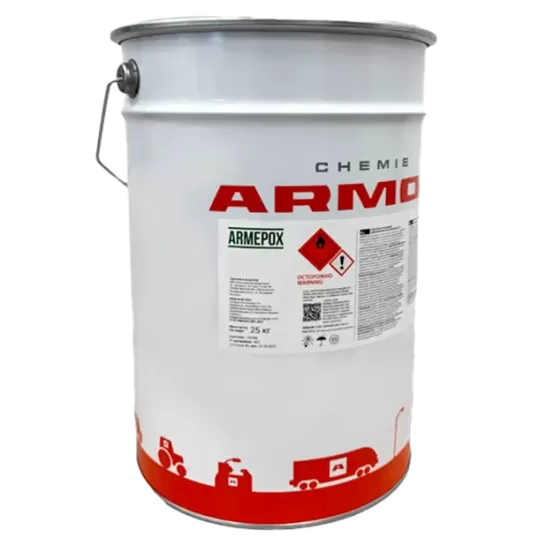
epoxyfast drying

Two‑component epoxy anticorrosion colorable coating DTM with a non‑volatile content of 70 %.

epoxyfast drying

Two‑component epoxy putty that permits painting on incompletely prepared surfaces. It is used for repair painting and in conditions where high‑quality surface preparation cannot be ensured.
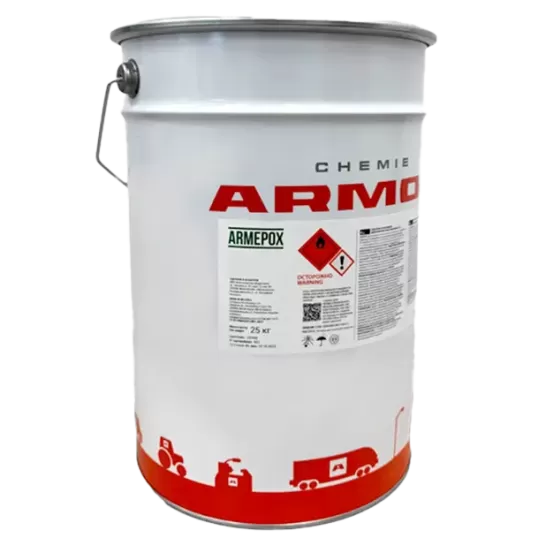
epoxysurface tolerantlight gray red‑brown

Epoxy‑phenolic chemical‑resistant coating, ideally suited for tanks, pipelines and equipment that contacts fuel and industrial chemicals.
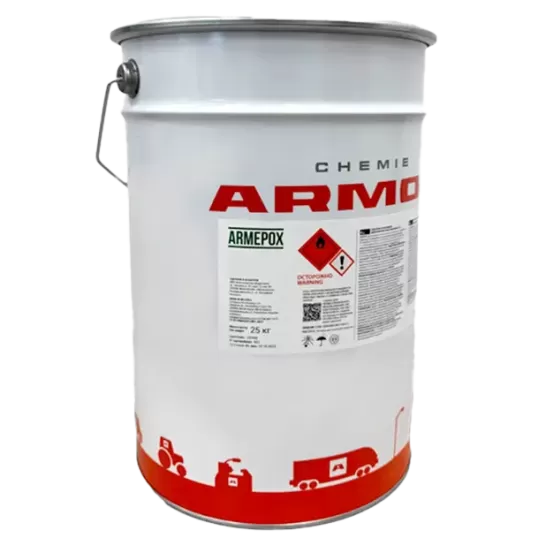
phenol‑epoxyhigh chemical resistancelight gray

Epoxy barrier coating reinforced with iron slag (MIO). Provides reliable protection of metal surfaces as an intermediate barrier layer in multilayer systems.

epoxybarrier propertiesgray

Two-component epoxy primer‑finish coating with high zinc content (≥80 %), providing cathodic protection of steel as the first layer in three‑layer anticorrosion systems.

epoxycathodic protectiondark gray
Total 1 - 11 из 11

FAQ

  • High Corrosion Protection — Epoxy coatings form a dense, chemically resistant barrier that prevents moisture, oxygen, and aggressive substances from reaching the substrate.

  • Excellent Adhesion — Epoxy primers and intermediate coats bond strongly to steel, galvanized steel, aluminum, and composite materials, ensuring reliable long-term protection.

  • Mechanical Strength and Abrasion Resistance — Epoxy coatings withstand high loads, friction, and abrasive wear, making them suitable for heavy-duty applications.

  • High Build Capability — They allow for thick-film application in one or multiple passes, enabling robust protection in fewer layers.

Differences from Acrylic-Polyurethane Coatings

  • Epoxies provide a strong barrier against corrosion and chemicals but have limited UV and weathering resistance.

  • Acrylic-polyurethanes are typically used as topcoats to protect against UV exposure, enhance aesthetic appearance, and extend the durability of the overall coating system.

Differences from Alkyd Coatings

  • Epoxies offer significantly higher chemical and corrosion resistance.

  • They are suitable for industrial and heavy-duty protective systems requiring long-term performance, whereas alkyds are better suited for decorative and moderate-duty atmospheric applications.

Anti-Corrosion Industrial Epoxy Primers
— Containing anticorrosive pigments such as zinc phosphate, these primers serve as the base layer in two-component acrylic-polyurethane systems (ARMOPUR®) for atmospheric exposure. They dry quickly, allow fast overcoating, and provide excellent adhesion to challenging substrates such as galvanized steel and aluminum. Example: ARMEPOX® Primer 041.

High-Build Anti-Corrosion Epoxy Primers and DTM Coatings
— High-solids (70–80% by volume) two-component systems designed for heavy-duty protection of steel structures and equipment. Their high non-volatile content enables thick-film application in a single coat, providing an effective barrier against moisture, chemicals, and atmospheric corrosion. Rapid polymerization in thick layers is a characteristic feature. Examples: ARMEPOX® Primer 041 UHS | ARMEPOX® DTM 242 | ARMEPOX® DTM 243 Mastic.

Surface-Tolerant (Mastic) Epoxies
— Thick-film, surface-tolerant products that can be applied over minimally prepared surfaces (hand-cleaned, partially rusted). Ideal for maintenance, repair, and offshore applications. Example: ARMEPOX® DTM 243 Mastic.

High-Build Barrier Epoxies (Midcoats / DTM)
— Provide a dense, thick barrier layer with excellent intercoat adhesion; typically used in multi-layer systems (primer → intermediate → topcoat). Often filled with micaceous iron oxide to enhance barrier properties and coating longevity. Suitable for high-durability steel structures. Example: ARMEPOX® DTM 243 MIO.

Zinc-Rich Epoxy Primers (≥ 80% Zinc Content)
— Create an active corrosion-protection barrier through sacrificial action of zinc, providing cathodic protection. In three-layer systems, they ensure maximum service life even in highly aggressive environments. Example: ARMEPOX® ZnRich Primer 043.

Novolac / Phenolic-Modified Epoxies (Chemical & Heat Resistance)
— Designed for aggressive chemical environments and high temperatures, offering superior chemical resistance compared to standard epoxies. Commonly used in chemical plants, storage tanks, and process pipelines. Example: ARMEPOX® DTM 249.

Glass-Flake / Reinforced Epoxies
— Incorporating glass flake enhances abrasion resistance, reduces permeability, and improves dimensional stability in thick films. Ideal for decks, tanks, and high-friction areas. Example: ARMEPOX® DTM 244 GF.

These ARMEPOX® materials provide tailored solutions across industrial, chemical, offshore, and heavy-duty applications, ensuring long-term corrosion protection, mechanical durability, and system reliability.

Hardeners for Industrial Primers
— Designed for fast overcoating (“wet-on-wet”) and accelerated drying. They provide excellent adhesion to metal substrates and allow application in production environments with high efficiency and process reliability.

Hardeners for Shop Primers
— Optimized for rapid or very rapid polymerization in layers up to 120 µm thick. This enables faster preparation, handling, and dispatch of fabricated metal structures directly from the shop floor.

Hardeners for Mastic and Surface-Tolerant Primers
— Focus on superior substrate wetting and curing in thick-film applications, even under slow-curing conditions. Ideal for repair works and application over minimally prepared surfaces where thick coats are required.

Hardeners for Chemically Resistant Epoxies
— Specially formulated for enhanced chemical resistance and durability in aggressive environments, including acids and alkalis. These hardeners are used in zones subject to intense operational stress and chemical exposure.

These variations in hardener formulation allow ARMEPOX® systems to be tailored for different operational needs, ensuring optimal curing, adhesion, chemical resistance, and long-term durability across industrial, maintenance, and specialized applications.

Determine the Service Environment
The primary factor in selecting a coating system is the type of operating environment, required performance characteristics, and any additional specifications. For assistance in determining the correct system, calculating recommended dry film thickness (DFT), and receiving guidance on application and maintenance, consult the relevant sections on our website or contact our technical specialists.

Surface Preparation
For most industrial ARMEPOX® systems, abrasive blasting to a cleanliness level of Sa2½ is recommended. For surface-tolerant mastic epoxies, application over less-than-perfectly prepared surfaces is possible; however, this represents a compromise between labor effort and coating longevity.

System Thickness and Number of Layers
Industrial systems are typically designed as two- or three-layer configurations: primer → high-build intermediate epoxy → topcoat for UV and atmospheric protection. Optimal DFT and number of layers are determined by industry standards such as ISO 12944 and other regulatory requirements.

Compatibility with Topcoat
Epoxy layers provide excellent adhesion and chemical resistance but have limited UV resistance. Therefore, for exterior finishes, UV-stable acrylic-polyurethane topcoats are recommended to ensure long-term durability and color retention.

For precise system selection, DFT calculation, and detailed operational recommendations, contact our sales or technical specialists. Assistance is available via website contact forms, phone, or messaging services provided on the site. Our experts ensure you select the most effective anticorrosion system for your application.