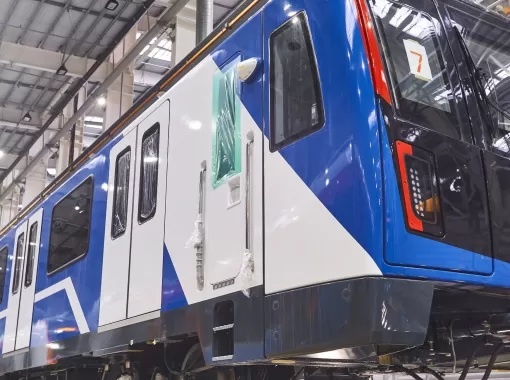
Painting of galvanized metal
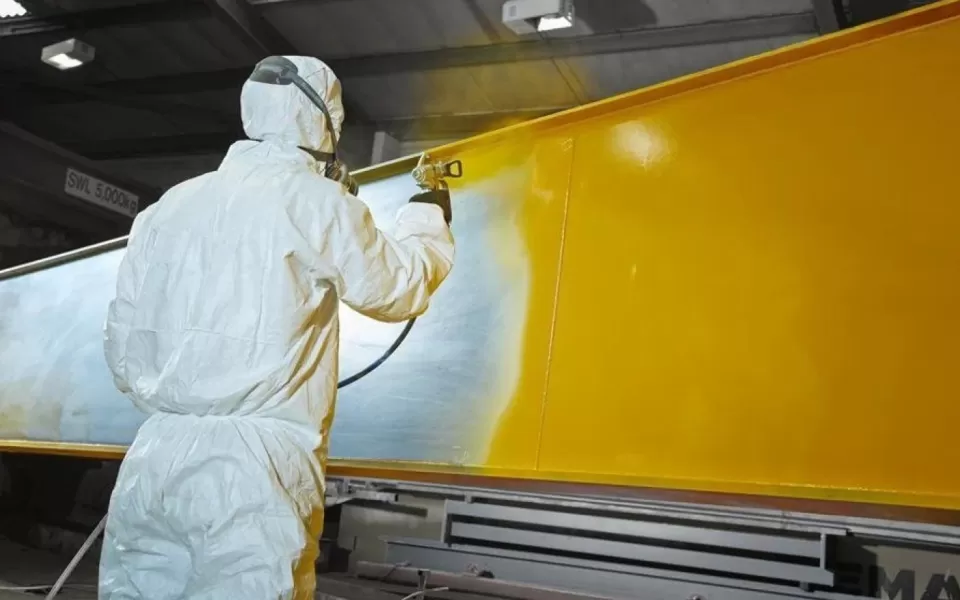
The use of galvanized steel in various industries—such as mechanical engineering, construction, and energy—is increasing every year. This is logical, as galvanizing is one of the most effective and durable methods of protecting metal from corrosion. In this article, as manufacturers of reliable anti-corrosion coatings, we will not argue otherwise. Instead, we will highlight the challenges of painting galvanized surfaces based on the principle: “not instead, but together.”
GOST 9.109-2023 defines the combination of zinc and paint coatings as a “duplex coating.”
A duplex coating is a protective organic coating consisting of a sacrificial metallic layer and an organic layer, demonstrating the synergy of their individual properties. Indeed, these materials reinforce each other’s protective effect.
Atmospheric Corrosion of Zinc
The corrosion rate of zinc in the atmosphere depends on its aggressiveness and ranges from 0.1 μm/year in rural areas (ISO 12944-2 category C2 – low) to 8.4 μm/year under C5 (very high). In extremely aggressive conditions (CX – extreme), zinc coating thickness loss can reach 25 μm/year. Thus, the service life of zinc coatings is proportional to their thickness and the operating environment.
In clean, though humid, air, zinc corrodes slowly. Corrosion products form a protective layer, isolating the surface from further attack. However, chemicals like sulfur dioxide accelerate corrosion significantly. Overall, compared to low-carbon steel, zinc corrodes about 25 times slower in atmospheric conditions.
How Zinc Coating Works
Zinc protects steel through two mechanisms:
- Barrier Protection – Prevents moisture and oxygen from reaching steel. Its effectiveness depends on coating thickness and integrity. Once damaged, corrosion begins.
- Cathodic Protection – Zinc is more electrochemically active than steel. In a zinc–steel galvanic pair, zinc acts as the anode and corrodes first, protecting steel as the cathode.
Example: A chip in the paint on a galvanized car body does not rust immediately because zinc beneath the paint sacrifices itself to protect steel. Rust appears only after the zinc layer is depleted.
Applying paint over zinc slows down zinc consumption and extends its life, while maintaining cathodic protection if the paint is damaged. Together, these systems provide 1.5–2.5 times longer protection than each alone.
Additional Benefits of Painting Galvanized Steel
- Decorative: Adds color and texture.
- Marking and Identification: For pipes, towers, masts.
- Mechanical Protection: Reduces abrasive wear.
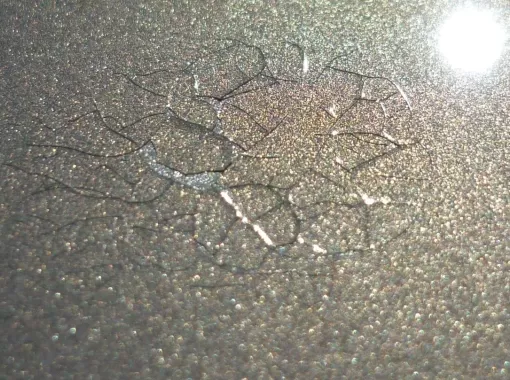
Painting galvanized steel is often necessary for proper service life. However, the main challenge is poor adhesion of paint to zinc, which may cause blistering, peeling, or flaking months or years later.
Surface Preparation Stages
The condition of the galvanized surface determines preparation steps. Surfaces fall into three categories:
1. Recently Galvanized (≤48 hours): Bright and shiny or dull gray. Minimal zinc compounds present.

2. Partially Weathered: Zinc compounds and organic contaminants (dust, oil) present.

3. Fully Weathered (≈1 year): Covered with zinc carbonate, which adheres well and should not be removed.

Preparation Steps
- Remove Galvanizing Defects: Smooth drips, lumps, and zinc ash using abrasive tools without exposing steel.
- Remove Organic Contaminants: Alkaline cleaning (pH 11–12) or solvent wiping, followed by rinsing and drying.
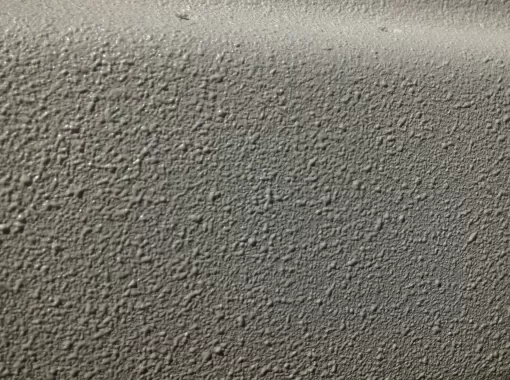
- Create Surface Roughness: Light abrasive blasting (sweeping) or manual sanding to improve adhesion. Avoid excessive removal of zinc.
Paint should be applied immediately after preparation to prevent oxide formation.

Painting Recommendations
- Refer to ISO 12944-5 for coating system selection.
- Do NOT use alkyd or oil-based paints—they are incompatible with zinc and will peel.
- Use acid-etch primers or epoxy primers for best adhesion.
We offer coating solutions that enhance appearance, extend product life, and support sustainability goals. Our offerings include coatings, expertise, tools, equipment, consumables, and industry-leading support.