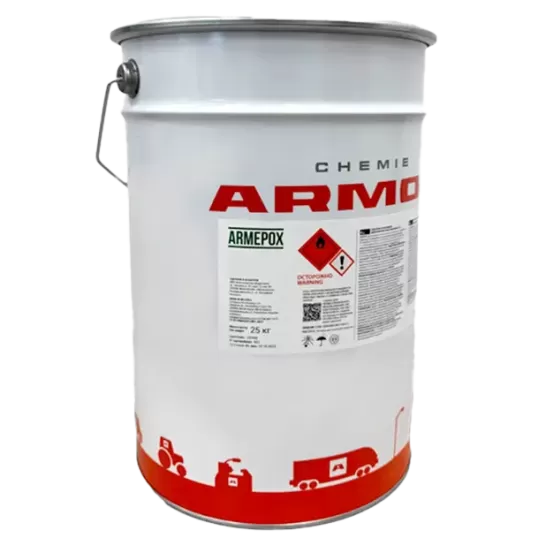
Epoxy barrier coating reinforced with iron slag (MIO). Provides reliable protection of metal surfaces as an intermediate barrier layer in multilayer systems.
epoxybarrier propertiesgray
Epoxy barrier coating reinforced with iron slag (MIO). Provides reliable protection of metal surfaces as an intermediate barrier layer in multilayer systems.
Primary primers: applied directly to metal, aluminum, galvanized steel or plastic; provide adhesion, anticorrosion protection and accelerate the application process.
Intermediate primers: applied over the primary layer; enhance protection, level the surface and prepare it for the finish coating.
Primer‑finish coatings: combine the functions of primer and decorative enamel; reduce the number of layers, protect metal and provide colour/partial effect.
Covering enamels: finish layers; create colour and gloss, resistant to scratches, UV and chemicals.
Base ‘under clearcoat’: coloured layer under a transparent clearcoat; forms hue, metallic or special effect, does not provide long‑term protection without the clearcoat.
ARMALKYD: modified alkyd, single‑component, fast drying, suitable for exterior metal structures and equipment with moderate chemical resistance; colour‑matched to RAL and NCS, various shades and gloss levels.
ARMEPOX: 2‑component epoxy system, excellent chemical resistance and barrier protection, good adhesion, suitable for thick‑film application and long‑term protection; limited weather resistance.
ARMOPUR: 2‑component acrylic‑polyurethane, maximum weather resistance, UV stability, scratch resistance, decorative effects (gloss, semi‑gloss, special effects); for exterior and interior coatings, architectural elements, transport.
Aluminum: suitable acrylic‑polyurethane and epoxy primers and enamels with good adhesion to metal.
Galvanized steel: special adhesion primers and enamels are used, typically epoxy.
Steel: any alkyd, epoxy and polyurethane coatings for high corrosion protection.
Plastics (including PP and PE): specialized adhesion primers for polypropylene and polyethylene.
Plastics (excluding PP and PE): primers and enamels based on acrylic‑polyurethane or epoxy.
Old coating systems: tolerant coatings are used, without full stripping to metal.
Glass: special adhesion primers for bonding to a smooth surface.
Base paints, 1K and 2K primers: classified according to surface compatibility and required performance properties.
Beige, white, red‑brown, light gray, gray, dark gray: standard shades for primary primers.
Colorless: transparent coatings used as a finish layer – varnish.
Limited coloration: mainly applicable to epoxy primer‑finish coatings when a shade can be selected from a limited palette.
Color‑matched to RAL, NCS and sample: available in acrylic‑polyurethane enamels and primer‑finish coatings, allows achieving an exact color for custom orders.
Special effects: metallic effect, texture, pearl or decorative coatings for visual and aesthetic effect are available for base coats.
Deep matte / Matte: minimal gloss (0–10 GU), hides defects, surface appears “muted”.
Semi-matte: low gloss (10–25 GU), moderately reflects light, retains decorativeness and hides irregularities.
Semi-glossy: medium gloss (35–70 GU), a balance between aesthetics and practicality.
Glossy: high gloss (70–85 GU), emphasizes color and smoothness, reflects light well, requires careful surface preparation.
High-gloss: maximum gloss (>85 GU), mirror effect, maximum decorative properties.
Not standardized: for coatings where gloss level depends on application conditions and cannot or need not be controlled within specified values.
Special decorative effect: metallic effect, pearlescent, texture and other visual solutions.