Switch Language

Primers

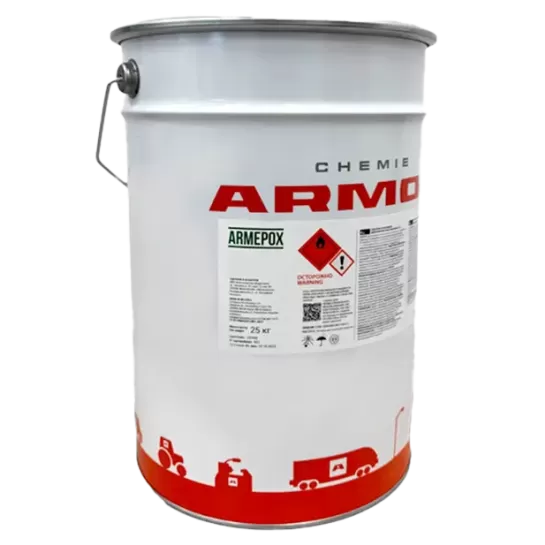
Two‑component epoxy anticorrosion primer‑finish coating for industrial use, ideally suited as a base for two‑component acrylic‑polyurethane enamels for long‑lasting protection.

epoxyfast overcoatlight gray beige
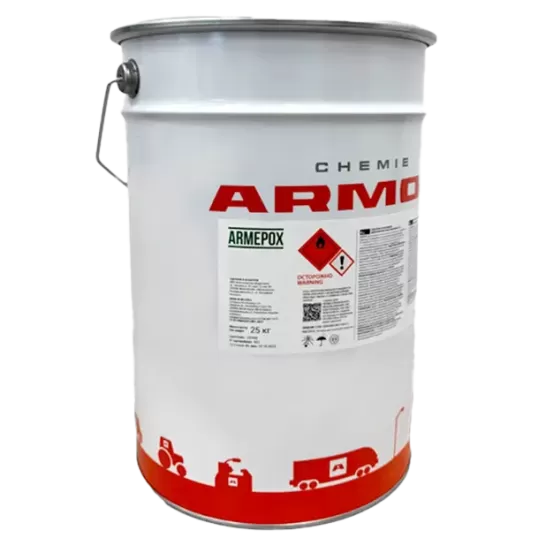
Two‑component epoxy primer‑finish coating with a non‑volatile solids content of 76 % and zinc phosphate, providing excellent anticorrosion protection. Fast curing, ideal for high‑productivity application in shop environments at temperatures down to −10 °C.

epoxyfast dryinglight gray red‑brown
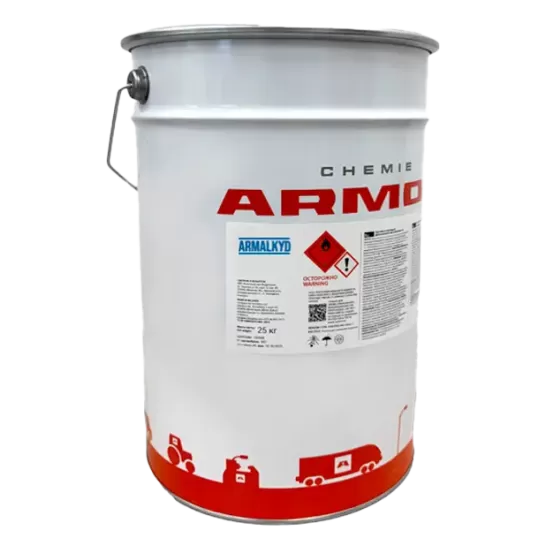
Fast‑drying single‑component alkyd‑modified primer.

alkyd modifiedquick dryinglight gray white beige colored (limited)
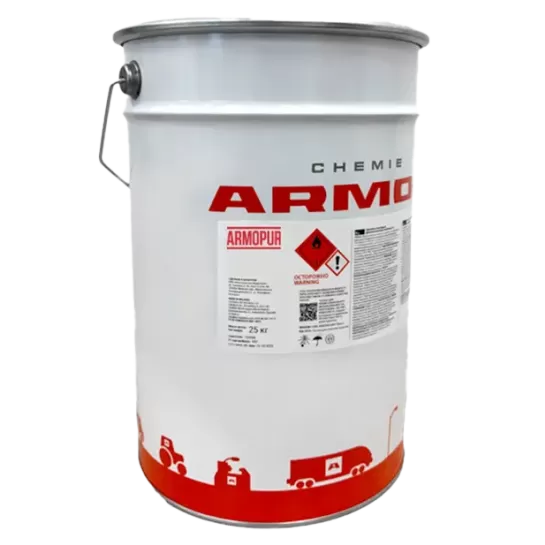
Two‑component acrylic‑polyurethane anticorrosion primer with high adhesion to steel and non‑ferrous metals, ideally suited for ultra‑fast wet‑on‑wet overcoating with two‑component finish enamels.

acrylic‑polyurethanewet‑on‑wet overcoatwhite light gray beige
Total 1 - 4 из 4

FAQ

Answer. Primary primer, or primer, is the first layer of a coating system that is applied directly to the prepared surface. The main functions of the primer: improving adhesion of subsequent layers, providing corrosion protection, leveling porous or oxidized surfaces, and ensuring compatibility with the finish coating. In industrial and anticorrosion protection, a correctly selected primer significantly extends the service life of the coating and reduces the risk of localized corrosion and delamination of the finish coating.

Answer. Two‑component epoxy primers exhibit excellent adhesion to steel and other metals, high chemical and anticorrosion resistance, and are typically used in severe service conditions.  They vary in composition and purpose. Industrial primers fundamentally differ in their composition, behavior, and inherent properties from thick‑film anti‑corrosion systems. A general drawback of epoxy materials is their limited resistance to ultraviolet radiation. Therefore, in situations of intense UV exposure, they must be overlain with acrylic‑polyurethane finish enamels. Epoxy primer‑finish coatings, which also serve as primary primers, have similarly limited UV resistance, which should be considered when selecting a coating system. It is recommended to use them on surfaces not exposed to direct sunlight.

Answer. Acrylic‑polyurethane primers combine good physico‑mechanical properties (adhesion, elasticity, resistance to mechanical impact), good flow with minimal open time using the “wet‑on‑wet” method, compared with pure epoxy primers. They are chosen when work speed and the aesthetics of the finish layer are important. Such primer coatings are well compatible with acrylic‑polyurethane topcoat enamels and are often used in automotive engineering, where enhanced decorative properties are required. 

Answer. Alkyd primers are an economical solution for atmospheric protection and cosmetic/technical work. They provide good adhesion and are easily applied with a brush or spray, but have limited chemical and moisture resistance compared to epoxy systems. Alkyd primers are suitable for light and moderate corrosion loads (indoor environments, construction and household equipment), but are not recommended for long‑term protection in aggressive or marine environments, nor for immersion in water. Even modern alkyd‑phenolic primers still fall short of epoxies in performance characteristics under severe service conditions.

Answer:
Adhesion primer for plastic surfaces is designed to ensure reliable bonding of topcoat layers to various types of plastic, including difficult-to-wet materials such as polypropylene (PP) and polyethylene (PE).

Key features and benefits:

  • Universal adhesion: provides strong bonding with a wide range of plastic substrates, including PP, PE, ABS, PVC and others.

  • Ease of application: applied by spraying, dries quickly, does not require complex surface preparation.

  • Compatibility with paints and coatings: compatible with most systems based on acrylic‑urethane and epoxy materials.

  • Applications: ideal for plastic parts of automobiles, household appliances, furniture components and other plastic products where reliable adhesion is required.

This primer allows substantially expanding the painting possibilities for plastic surfaces that typically have poor adhesion to paint and coating materials.

Answer: Zinc‑filled cathodic primers with a zinc content of at least 80% are highly effective anticorrosion coatings that provide reliable protection of metal structures in aggressive service conditions.

Key advantages and application features:

  • Cathodic protection: Zinc acts as a sacrificial metal, corroding in place of steel when the coating is damaged, which prevents corrosion development even at defect sites.

  • High zinc content: A zinc content of at least 80% provides effective anticorrosion protection and meets the SSPC Paint 20 service requirements (Level 2, Type II). 

  • Durability: Used in three‑coat systems for maximum service life in harsh conditions, such as exposure to seawater and freshwater, chemical vapors, and ultraviolet radiation. 

  • Broad application range: Ideally suited for protecting metal structures, including bridges, supports, and other objects exposed to aggressive environments.

  • Compatibility: Works well with subsequent epoxy, polyurethane or acrylic coating layers, providing comprehensive protection. 

Zinc‑filled cathodic primers with a zinc content of at least 80% are a reliable choice for ensuring long‑lasting protection of metal structures in demanding service conditions.

Answer. When selecting the type of primer, consider: substrate type (steel, galvanized steel, painted coating), corrosion aggressiveness of the environment (dry, marine, chemically aggressive), required service life, application method (airless, brush, immersion), allowable repaint intervals, and regulatory VOC limits. For severe conditions and long‑term protection, epoxy or zinc‑containing primers are preferred; for quick repairs and overcoating with enamels — acrylic‑polyurethane solutions; for light work and restoration — alkyds. For painting “complex” metal substrates such as aluminum, galvanized steel, a special primer is used to ensure reliable adhesion to such surfaces. When painting plastics, it is recommended to use a special plastic primer that improves coating adhesion to the substrate. For additional consultation, contact the sales department at the contacts listed on the website.